
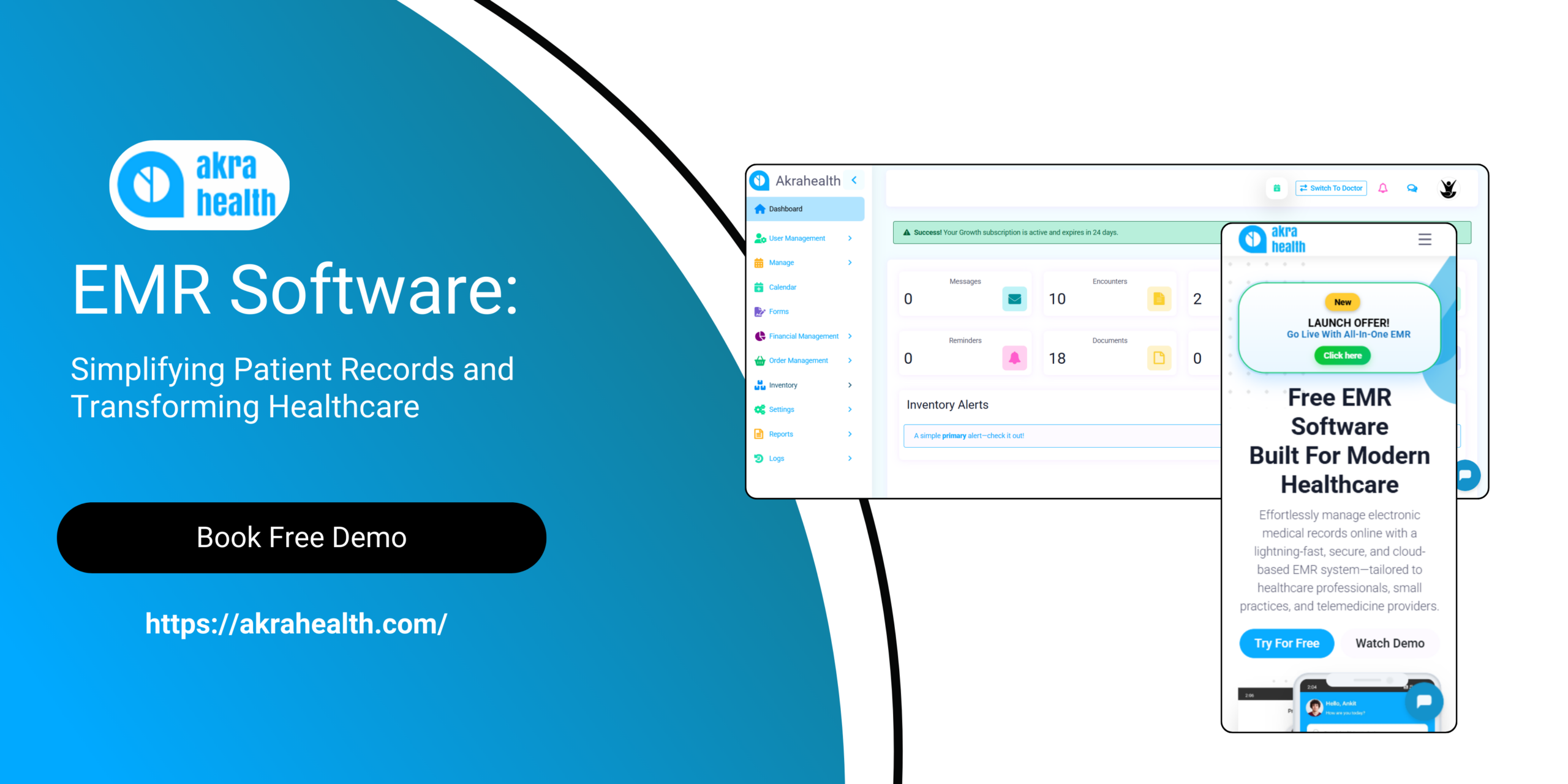
An emr app is transforming how clinics, hospitals, and healthcare providers manage patient data and daily operations. In today’s digital-first healthcare environment, relying on manual records or outdated systems can slow down workflows and impact patient care.
With a modern app, healthcare providers can streamline patient records, automate scheduling, and improve efficiency-all from one platform.
What is an EMR App?
An emr app (Electronic Medical Record application) is a digital solution designed to store, manage, and access patient information securely.
A typical emr includes:
- Patient medical history
- Diagnoses and treatment plans
- Lab reports and imaging
- Prescription records
- Appointment scheduling
This ensures that healthcare professionals always have accurate and up-to-date information.
Why Clinics Need an EMR App Today
Healthcare is becoming faster and more data-driven. An app is no longer optional-it’s essential.
1. Faster Access to Records
Doctors can retrieve patient information instantly, improving decision-making.
2. Reduced Errors
Digital documentation reduces mistakes caused by manual processes.
3. Better Patient Experience
Shorter wait times and smoother doctor appointments enhance satisfaction.
4. Operational Efficiency
An emr app connects scheduling, billing, and records into one system.
Key Features of a Modern EMR
When choosing the right solution, look for these features:
✔ Centralized Patient Record Management
All patient data is stored in one secure dashboard.
✔ Smart Appointment Scheduling
Automates booking, reminders, and cancellations.
✔ Integrated Billing System
Supports healthcare billing and reduces claim errors.
✔ E-Prescriptions
Send prescriptions digitally to pharmacies.
✔ Cloud-Based Access
Access your emr app anytime, anywhere.
How an EMR App Improves Patient Care
A well-designed emr app does more than store data—it improves outcomes.
- Enables faster diagnosis with real-time data
- Helps track patient history over time
- Supports better coordination between departments
- Reduces duplicate tests and errors
This leads to safer, more efficient healthcare delivery.
EMR App and Digital Healthcare Growth
The rise of digital healthcare has made tools like the emr app critical.
Today, clinics are integrating:
- Telemedicine platforms
- Patient management systems
- Online appointment booking tools
This creates a connected healthcare ecosystem that improves both provider efficiency and patient satisfaction.
How AkraHealth EMR App Stands Out
AkraHealth offers a powerful emr app built for modern healthcare providers.
Key Advantages:
- All-in-one dashboard for patient management
- AI-powered insights for better decisions
- Seamless appointment scheduling
- Integrated billing and reporting
- Secure and compliant data storage
Best Practices for Implementing an App
To get the most value, follow these steps:
- Train your staff properly
- Choose a user-friendly interface
- Ensure system integration with existing tools
- Regularly update and monitor performance
The Future of EMR
The future of the emr is driven by innovation:
- AI-based clinical decision support
- Voice-to-text documentation
- Predictive analytics for patient care
- Mobile-first healthcare access
These advancements will continue to redefine how healthcare is delivered.
Conclusion
An emr app is no longer just a digital tool -it’s the backbone of modern healthcare operations. From managing patient records to improving workflows and enhancing patient experience, it plays a critical role in clinic growth.
Healthcare providers adopting a smart emr can improve efficiency, reduce errors, and deliver better care in an increasingly competitive environment.