
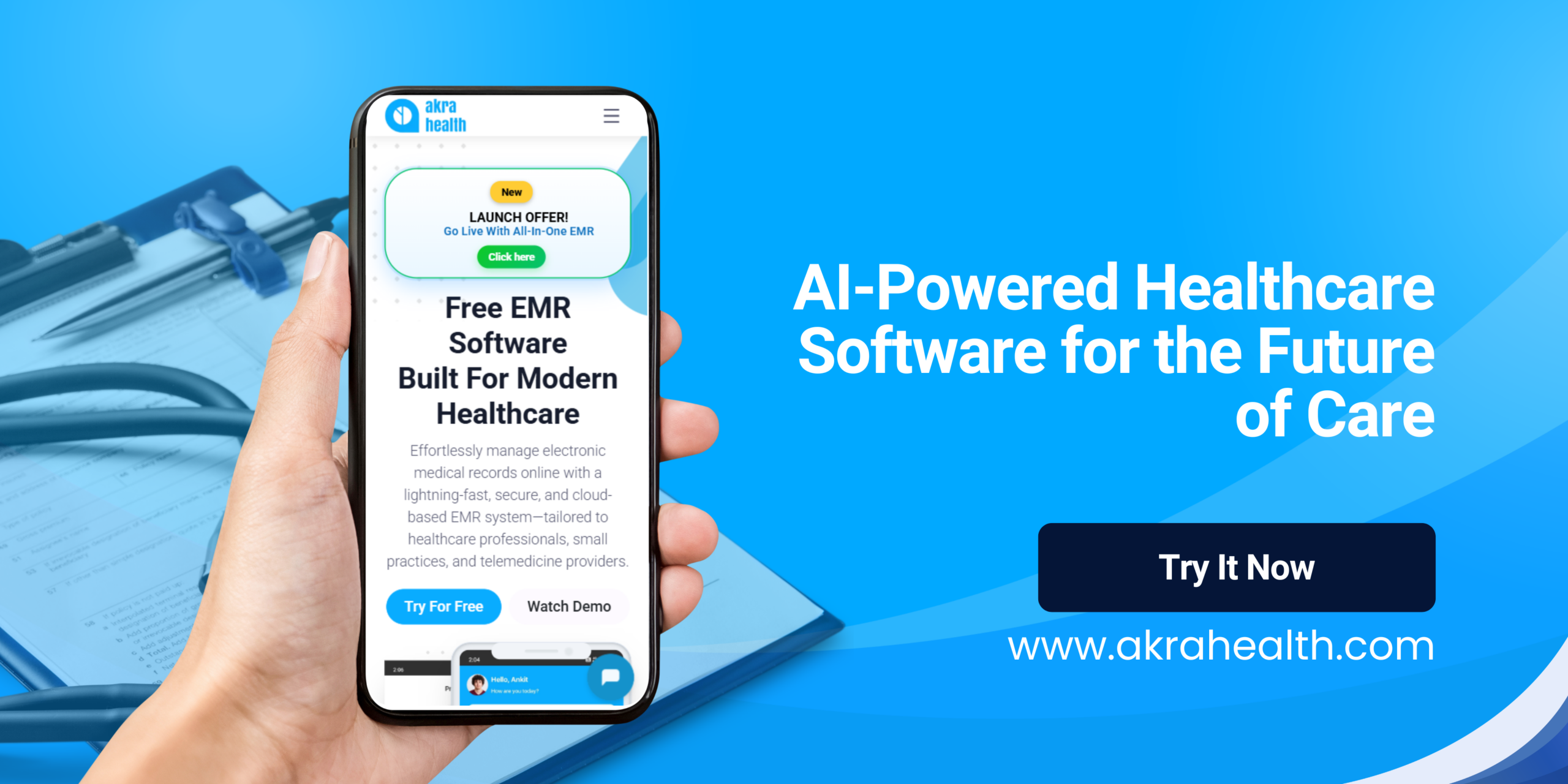
Healthcare Software: Transforming Modern Healthcare Delivery
Healthcare software is changing the way healthcare providers deliver patient care. Hospitals, clinics, and healthcare organizations now rely on digital solutions to improve efficiency and patient outcomes.
From managing patient records to enabling telemedicine, healthcare software helps providers streamline daily operations. As healthcare becomes more digital, these solutions play a vital role in delivering quality care.
What is Healthcare Software?
Healthcare software refers to digital tools designed to support healthcare operations and patient management.
These solutions help healthcare providers manage clinical, administrative, and financial tasks more effectively.
Common types of healthcare software include:
- Electronic Health Records (EHR)
- Practice Management Systems
- Telemedicine Platforms
- Medical Billing Software
- Patient Management Systems
- Healthcare Analytics Tools
By using software, providers can reduce paperwork, improve workflows, and deliver better patient experiences.
Why Healthcare Software is Important
Modern healthcare generates large amounts of data every day. Managing this information manually can be time-consuming and prone to errors.
Healthcare software helps organizations:
- Improve operational efficiency
- Reduce administrative burden
- Enhance patient care
- Strengthen communication
- Improve data accuracy
As a result, healthcare teams can focus more on patients and less on paperwork.
Key Benefits
Enhanced Patient Engagement
Patient engagement is essential for better health outcomes.
Healthcare software allows patients to access their health information through secure portals and mobile applications. They can schedule appointments, review medical records, and communicate with healthcare providers more easily.
Benefits include:
- Greater patient involvement
- Improved communication
- Better treatment adherence
- Increased patient satisfaction
Improved Care Coordination
Care coordination becomes easier when healthcare providers can access accurate information in real time.
software connects different departments and healthcare professionals through a centralized platform.
This enables:
- Faster information sharing
- Better collaboration
- Reduced duplication of services
- More consistent patient care
As a result, patients receive comprehensive and coordinated treatment.
Increased Efficiency
Healthcare organizations often struggle with repetitive administrative tasks.
software automates many routine processes, including:
- Appointment scheduling
- Billing and invoicing
- Patient registration
- Documentation management
Automation reduces workload and improves productivity across healthcare facilities.
Better Data Management
Accurate patient data is critical for clinical decision-making.
software stores information securely and makes it accessible when needed.
This helps healthcare providers:
- Access patient records quickly
- Reduce documentation errors
- Improve treatment decisions
- Maintain compliance requirements
Emerging Trends in Healthcare
Technology continues to reshape the healthcare industry. Several trends are driving the future of healthcare software.
Artificial Intelligence and Machine Learning
Artificial Intelligence (AI) and Machine Learning (ML) are becoming important parts of modern healthcare software.
These technologies help providers:
- Identify high-risk patients
- Predict health outcomes
- Support clinical decisions
- Personalize treatment plans
AI-powered healthcare software enables faster and more accurate decision-making.
Cloud-Based Healthcare Software
Cloud technology is transforming healthcare operations.
Cloud-based healthcare software offers:
- Remote accessibility
- Improved scalability
- Lower infrastructure costs
- Secure data storage
Healthcare providers can access information from anywhere while maintaining security and compliance.
Cybersecurity and Data Protection
Healthcare organizations handle sensitive patient information every day.
As cyber threats increase, healthcare software vendors continue to invest in advanced security measures.
Key security features include:
- Data encryption
- Secure access controls
- Multi-factor authentication
- Regular security monitoring
Strong cybersecurity practices help protect patient data and maintain trust.
The Future of Healthcare Software
The future of healthcare software looks promising.
Innovations such as AI-driven diagnostics, predictive analytics, remote patient monitoring, and personalized healthcare will continue to improve patient outcomes.
Healthcare providers that adopt modern healthcare software can stay competitive while delivering higher-quality care.
Conclusion
Healthcare software has become an essential part of modern healthcare delivery. It improves patient engagement, strengthens care coordination, increases efficiency, and supports better clinical decisions.
As technology continues to evolve, software will play an even greater role in shaping the future of healthcare.
Organizations that invest in the right software can improve patient care, optimize operations, and achieve long-term success.
1 thought on “Revolutionizing Patient Care: The Impact of Healthcare Software”