
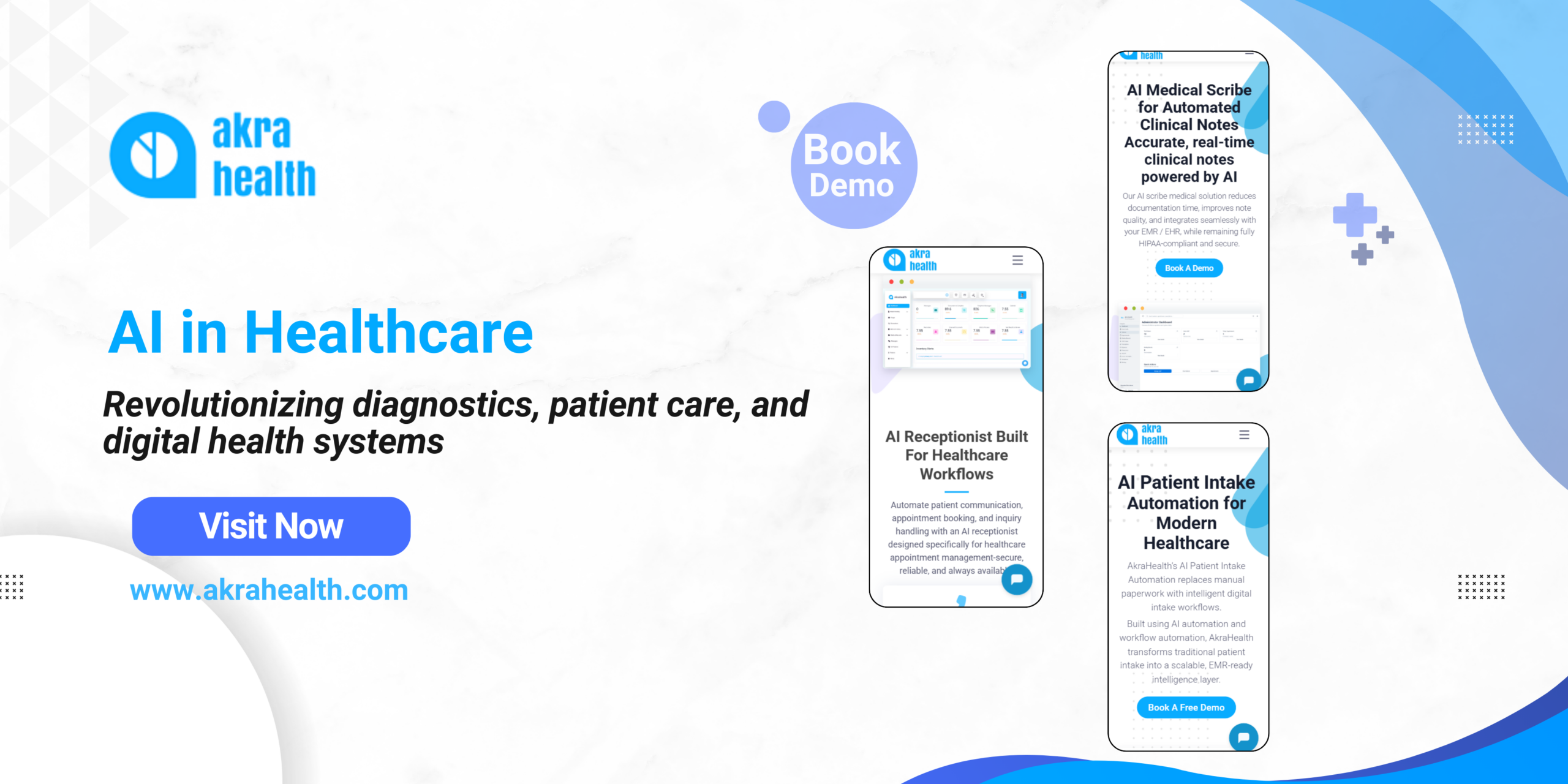
1. Introduction to AI in Healthcare
Artificial Intelligence (AI) has emerged as a groundbreaking technology that is rapidly transforming various industries, and healthcare is no exception. With its ability to analyze vast amounts of data, recognize patterns, and make predictions, AI is revolutionizing the way healthcare providers deliver care, manage operations, and conduct research. This blog post will delve into the various applications of AI in healthcare, its benefits, challenges, and future prospects.
2. Understanding AI and Its Applications in Healthcare
AI encompasses a range of technologies, including machine learning, natural language processing, and robotics. In healthcare, these technologies are utilized in several key areas:
2.1 Diagnostics
AI algorithms can analyze medical images, such as X-rays, MRIs, and CT scans, with remarkable accuracy. For instance, deep learning models have been developed to detect conditions like pneumonia or tumors, often outperforming human radiologists in terms of speed and precision. By assisting clinicians in making more accurate diagnoses, AI enhances patient outcomes and reduces the likelihood of misdiagnosis.
2.2 Personalized Medicine
One of the most promising applications of AI in healthcare is personalized medicine. By analyzing a patient’s genetic makeup, lifestyle, and environmental factors, AI can help tailor treatment plans to the individual’s unique characteristics. This approach not only improves the effectiveness of treatments but also minimizes adverse effects, leading to a more patient-centered healthcare experience.
2.3 Drug Discovery and Development
The drug discovery process is notoriously lengthy and costly. AI has the potential to streamline this process by predicting how different compounds will interact with biological targets. Machine learning algorithms can analyze existing research data to identify promising candidates for new drugs, significantly reducing the time and resources required for development. This accelerated approach could lead to the faster introduction of life-saving medications to the market.
2.4 Virtual Health Assistants
AI-powered virtual health assistants are becoming increasingly popular in patient care. These chatbots and applications can provide patients with instant access to medical information, schedule appointments, and even offer basic health assessments. By alleviating some of the administrative burdens on healthcare providers, these virtual assistants enable clinicians to focus more on direct patient care.
3. Benefits of AI in Healthcare
The integration of AI in healthcare brings numerous benefits:
3.1 Improved Efficiency
AI solutions can automate routine tasks, such as data entry and appointment scheduling, freeing up healthcare professionals to concentrate on more complex issues. This increased efficiency can lead to shorter wait times and enhanced patient satisfaction.
3.2 Enhanced Decision-Making
AI can provide healthcare providers with valuable insights based on data analysis. By leveraging predictive analytics, clinicians can make informed decisions about patient care, ultimately improving treatment outcomes. AI systems can also identify trends in patient populations, aiding in preventive care initiatives.
3.3 Cost Reduction
By optimizing operations and reducing the need for unnecessary tests and procedures, AI can contribute to significant cost savings for healthcare systems. For instance, AI-driven predictive models can help identify high-risk patients, allowing for early intervention and potentially reducing hospital admissions.
4. Challenges and Considerations
Despite its potential, the implementation of AI in healthcare is not without challenges:
4.1 Data Privacy and Security
The use of AI in healthcare raises concerns about data privacy and security. Patient data is highly sensitive, and any breaches can have serious consequences. Healthcare organizations must ensure that they comply with regulations such as HIPAA and implement robust security measures to protect patient information.
4.2 Ethical Considerations
The deployment of AI in healthcare also raises ethical questions, particularly regarding bias and accountability. AI systems are only as good as the data used to train them. If the training data is biased, the AI can produce skewed results, potentially exacerbating health disparities. Furthermore, there is an ongoing debate about accountability in cases where AI systems make erroneous decisions.
4.3 Integration with Existing Systems
Integrating AI solutions with existing healthcare systems can be a complex process. Many healthcare organizations rely on legacy systems that may not be compatible with modern AI technologies. Ensuring seamless integration is crucial for maximizing the benefits of AI.
5. The Future of AI in Healthcare
As technology continues to evolve, the future of AI in healthcare looks promising. Ongoing advancements in machine learning and data analytics will likely lead to even more sophisticated applications. The potential for AI to enhance telemedicine, remote monitoring, and wearable technology is particularly exciting, as these innovations can further improve access to care and patient engagement.
6. Conclusion
AI in healthcare is not just a trend; it is a transformative force that has the potential to reshape the entire landscape of medical practice. By improving diagnostics, personalizing treatment, and enhancing operational efficiencies, AI can lead to better patient outcomes and more effective healthcare delivery. However, it is essential to address the challenges associated with data privacy, ethical considerations, and system integration to fully realize the benefits of this technology. As we move forward, collaboration between technologists, healthcare providers, and policymakers will be critical in harnessing the power of AI to create a healthier future for all.
1 thought on “The Transformative Impact of AI in Healthcare”