
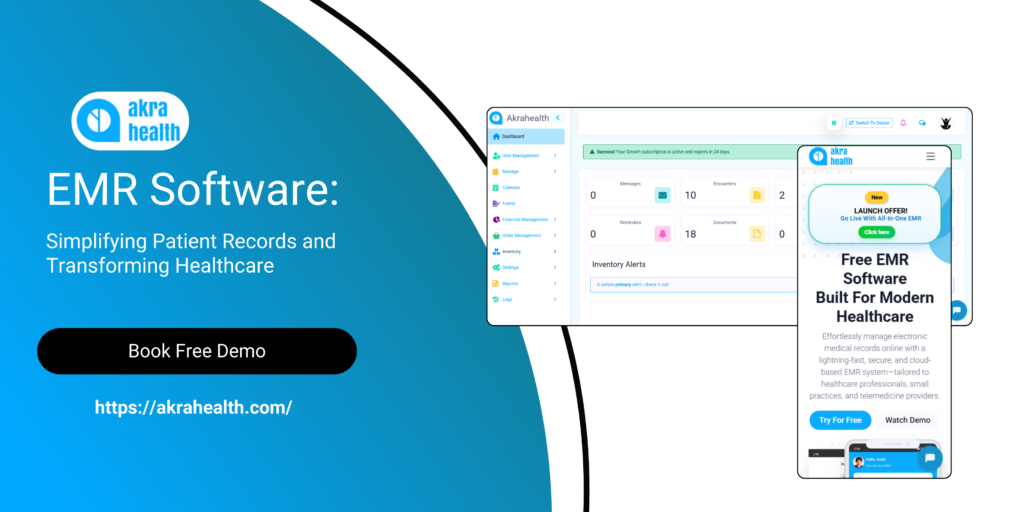
EMR Software: Complete Guide to Benefits, Features, and Future of Digital Healthcare
EMR software has become a cornerstone of modern healthcare systems. As hospitals and clinics move away from paper records, digital platforms are helping healthcare providers manage patient data more efficiently. EMR software allows doctors, nurses, and administrators to access patient information in real time, improving diagnosis, treatment planning, and patient outcomes.
With healthcare systems becoming increasingly complex, EMR software plays a crucial role in simplifying medical documentation, improving collaboration between healthcare professionals, and ensuring accurate patient records.
What is EMR Software?
EMR software (Electronic Medical Record software) is a digital system used by healthcare providers to store, manage, and access patient medical records. Instead of maintaining paper files, healthcare facilities use EMR software to record patient histories, diagnoses, prescriptions, lab results, and treatment plans.
Unlike traditional record systems, EMR software enables quick data retrieval, secure storage, and seamless sharing of information within a healthcare facility.
For more details about electronic medical records, you can visit the World Health Organization:
https://www.who.int
Key Features of EMR Software
1. Digital Patient Records
One of the most important capabilities of EMR software is maintaining comprehensive digital patient records. Doctors can quickly review patient histories, allergies, medications, and previous diagnoses in one centralized system.
2. Appointment and Scheduling Management
Modern EMR software often includes scheduling tools that allow clinics to manage appointments efficiently. This reduces administrative workload and helps prevent scheduling conflicts.
3. E-Prescribing
Another valuable feature of EMR software is electronic prescription management. Doctors can send prescriptions directly to pharmacies, reducing errors and improving medication safety.
4. Clinical Decision Support
Advanced EMR software solutions provide alerts and recommendations to assist physicians in making informed medical decisions.
Benefits of EMR Software
Improved Patient Care
With instant access to medical data, EMR software helps doctors make faster and more accurate decisions.
Increased Efficiency
Healthcare providers save time by using EMR software to automate documentation and administrative processes.
Better Data Security
Compared to paper records, EMR software offers enhanced security features like encryption and access controls.
Regulatory Compliance
Many healthcare systems must comply with regulations like HIPAA. EMR software helps organizations maintain compliance and protect sensitive patient data.
Challenges of Implementing EMR Software
Despite its benefits, implementing EMR software can come with challenges.
High Initial Costs
Healthcare organizations often need significant investment in infrastructure and training to adopt EMR software.
Training Requirements
Medical staff must learn how to use EMR software effectively to maximize its benefits.
Data Migration
Transitioning from paper records or legacy systems to EMR software can be complex and time-consuming.
Future of EMR Software
The future of EMR software is closely tied to emerging healthcare technologies such as artificial intelligence, predictive analytics, and telehealth integration. AI-powered EMR software will help clinicians identify health risks earlier and personalize treatment plans.
As healthcare continues to digitize, EMR software will become an essential platform for improving patient outcomes, reducing operational costs, and supporting data-driven healthcare decisions.
To explore digital healthcare trends, visit HealthIT.gov:
https://www.healthit.gov
Conclusion
EMR software is revolutionizing how healthcare providers manage patient information and deliver care. By improving efficiency, accuracy, and accessibility of medical records, EMR software enables healthcare organizations to provide better patient experiences and outcomes.
As healthcare technology evolves, adopting advanced EMR software solutions will be critical for hospitals and clinics aiming to stay competitive in the digital healthcare landscape.