
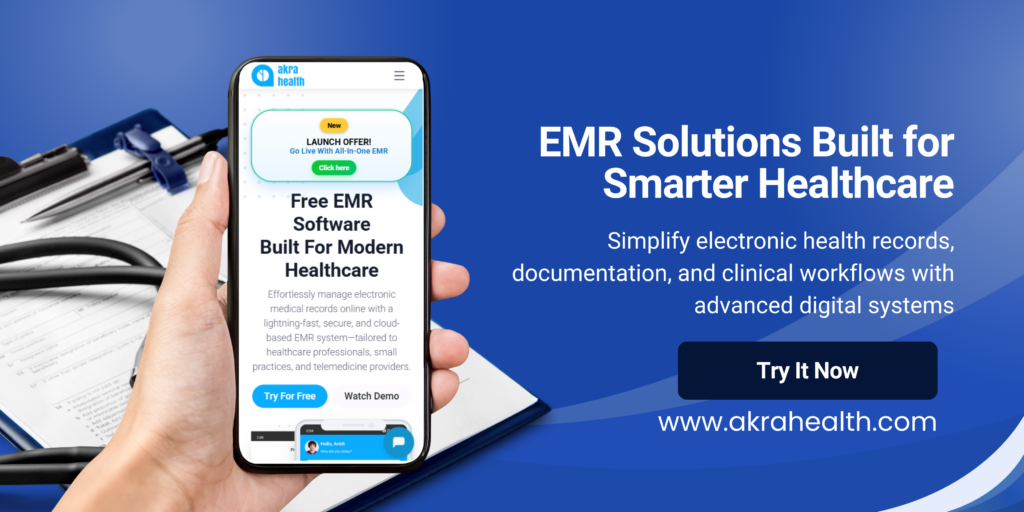
EMR: The Foundation of Digital Healthcare
EMR technology has become the backbone of modern healthcare operations. From patient documentation to clinical decision support, digital systems are transforming how providers manage information and deliver care. As healthcare organizations shift away from paper-based records, the adoption of reliable emr systems continues to grow rapidly.
Today’s healthcare environment demands accuracy, efficiency, and seamless data access – all of which are made possible through advanced electronic medical record systems.
What Is an EMR?
An emr (Electronic Medical Record) is a digital version of a patient’s chart within a healthcare practice. It contains medical history, diagnoses, medications, treatment plans, lab results, and physician notes.
Unlike traditional files, electronic health records allow providers to access real-time patient data securely from authorized systems. This improves coordination, reduces manual errors, and enhances care quality.
Why EMR Systems Matter in Healthcare
Healthcare providers manage large volumes of patient data daily. Without digital solutions, documentation can become overwhelming. Implementing an emr platform helps practices:
- Reduce paperwork
- Improve data accuracy
- Enhance workflow efficiency
- Support compliance requirements
- Enable better communication across teams
Modern emr programs are designed to integrate clinical, administrative, and reporting functions into a unified interface.
Key Features of Modern EMR Software
A well-designed emr solution offers much more than simple record storage. Today’s systems are intelligent, customizable, and scalable.
1. Clinical Documentation Tools
Advanced electronic medical record programs allow providers to document patient visits efficiently using structured templates and digital forms.
2. Secure Data Access
Healthcare professionals can access electronic health records securely across departments, improving collaboration and reducing duplication.
3. Workflow Automation
Modern emrs automate repetitive administrative tasks, helping providers save time and focus more on patient care.
4. Reporting & Analytics
Data-driven insights help healthcare leaders improve operational performance and patient outcomes.
EMR vs. EHR Health Systems
Many providers use the terms interchangeably, but there are differences. An emr typically refers to digital records within one practice, while broader ehr health systems are designed to share patient information across multiple organizations.
Both technologies aim to improve care quality, but selecting the right solution depends on the organization’s size, structure, and goals.
Benefits of Implementing EMR in Healthcare Practices
Adopting a reliable emr solution offers measurable benefits:
- Faster access to patient data
- Improved clinical decision-making
- Reduced documentation errors
- Enhanced patient engagement
- Increased operational efficiency
With well-integrated electronic medical record systems, practices can create a more connected healthcare environment.
Choosing the Right EMR System
Selecting the right emr requires careful evaluation. Healthcare organizations should consider:
- Ease of use
- Customization options
- Integration capabilities
- Data security measures
- Scalability for growth
The best systems are flexible enough to adapt to changing regulatory and operational needs.
Security and Compliance in EMR Platforms
Patient data protection is critical. A secure emr system ensures encrypted storage, controlled access, and compliance with healthcare data regulations. This builds trust while protecting sensitive medical information.
The Future of EMR Technology
The future of emr technology includes deeper automation, improved interoperability, and AI-powered data insights. As healthcare becomes increasingly digital, advanced systems will continue to evolve, enabling providers to deliver faster, smarter, and more personalized care.
Organizations that invest in scalable emr systems today are better prepared for tomorrow’s healthcare challenges.
Conclusion
An effective emr system is essential for modern healthcare delivery. From improving documentation to enhancing coordination and compliance, digital record systems are transforming patient care.
As healthcare continues to innovate, reliable electronic medical record systems and integrated solutions will remain at the center of operational success.