
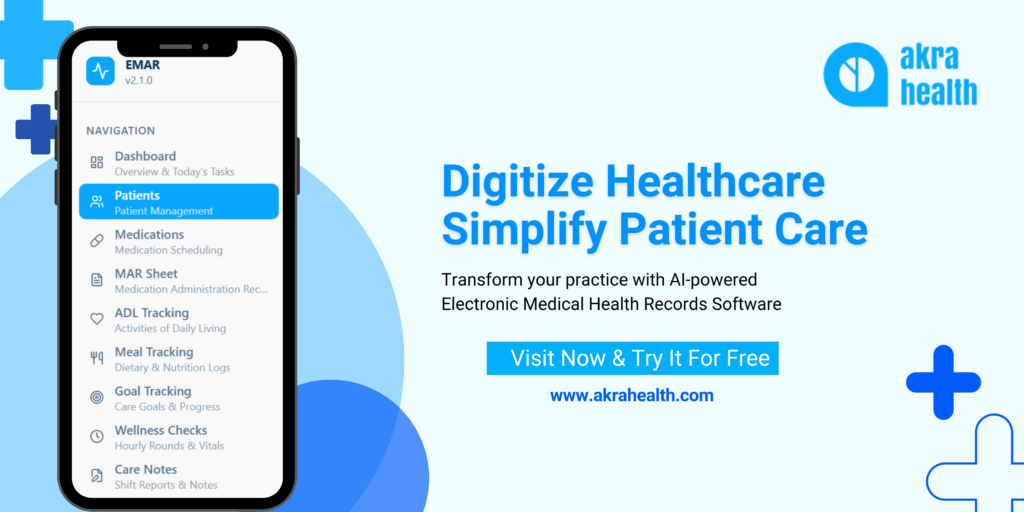
Electronic Medical Health Records Software : A New Era of Digital Healthcare
In today’s fast-paced world, where technology has transformed every aspect of our lives, healthcare stands at the forefront of digital innovation. One of the most revolutionary technologies changing the way hospitals, clinics, and healthcare professionals manage patient information is electronic medical health records software.
Gone are the days of bulky paper files, handwritten prescriptions, and manual appointment scheduling. With electronic medical health records software, doctors can now access complete patient histories in seconds, streamline administrative tasks, and provide care that’s not only faster but also smarter.
In this blog, we’ll explore how electronic medical health records software, along with telemedicine and doctor appointment applications, is shaping a more connected, efficient, and patient-centered digital healthcare environment.
What is Electronic Medical Health Records Software?
Electronic Medical Health Records (EMR) software is a secure digital system that allows healthcare providers to store, manage, and share patient information within a unified digital platform. It replaces outdated paper-based files with structured, cloud-based records accessible in real time.
An EMR medical records software system typically includes:
- Patient demographics
- Medical and treatment history
- Allergies and prescriptions
- Diagnostic results and imaging
- Doctor’s notes and follow-up plans
By consolidating data in one place, electronic medical health records software ensures accurate decision-making and consistent patient care across departments and healthcare facilities.
The Digital Revolution in Healthcare
The adoption of digital medical records software represents a major milestone in the evolution of modern healthcare. As hospitals and clinics digitize their processes, the benefits extend well beyond convenience — touching every part of patient care delivery.
🌐 1. Continuous Access Across Platforms
EMR and EHR systems enable doctors, nurses, and specialists to simultaneously access the same patient file—whether through a hospital system, clinic workstation, or telemedicine app. This real-time access eliminates paperwork delays and enhances collaboration.
⚙️ 2. Documentation Automation
With EMR electronic medical records software, manual entry is greatly reduced. Doctors can dictate notes or use templates to update records instantly. This automation saves time, minimizes human error, and keeps information current.
💊 3. Improved Treatment Precision
Advanced EMR systems analyze patient data to identify health trends and potential risks. For instance, the system can flag drug interactions or early signs of chronic illness, helping doctors make proactive and safer treatment decisions.
Integrating Telemedicine Apps and Doctor Appointment Applications
The future of healthcare lies in integration — connecting EMR systems with telemedicine mobile apps and appointment scheduling applications to build a truly connected health ecosystem.
📱 Telemedicine Applications
Telemedicine has become an essential tool for virtual consultations. When integrated with electronic medical health records software, it can:
- Pull real-time patient data during video calls
- Automatically sync visit notes with the EMR
- Generate remote prescriptions and lab requests instantly
This seamless data flow ensures patients receive consistent care, whether online or in-person.
📅 Doctor Appointment Applications
Patients now prefer scheduling visits through an app for doctors appointments. When connected with EMR systems, these applications can:
- Sync patient data with available time slots
- Send automatic appointment reminders
- Update the doctor’s calendar instantly
By reducing administrative tasks, these tools simplify the booking experience for patients and staff alike.
The Role of AI in Electronic and Digital Medical Records
Artificial Intelligence (AI) has become the driving force behind next-generation electronic medical health records software. Its applications are redefining how healthcare systems operate:
- Predictive Analytics: AI evaluates patient data to forecast potential health risks, enabling preventive interventions.
- Smart Documentation: NLP (Natural Language Processing) converts spoken consultations into structured EMR notes, reducing manual typing.
- Personalized Care Plans: AI identifies trends to suggest treatment plans tailored to each patient’s health profile.
By turning EMRs from passive data repositories into active decision-support tools, AI is making healthcare more intelligent and proactive.
Why Every Healthcare Facility Needs EMR Integration
Hospitals that integrate EMR medical records software gain measurable advantages in efficiency, compliance, and patient satisfaction.
Here’s why:
- Data Security: Cloud-based storage with encryption safeguards patient data and ensures compliance with privacy laws.
- Better Collaboration: Physicians across departments share access to real-time records, reducing miscommunication.
- Operational Efficiency: Automated scheduling, billing, and reporting make hospital operations smoother.
- Scalability: EMR systems expand easily as patient volume and hospital needs grow.
In short, electronic medical health records software helps facilities operate smarter and deliver higher-quality care.
Key Features to Look for in EMR Software
Before implementing a new system, healthcare organizations should ensure their electronic medical health records software includes:
✅ Cloud-based storage and backup
✅ Integration with telemedicine apps and scheduling tools
✅ Role-based user access for data protection
✅ AI-powered reporting and analytics
✅ Mobile-friendly access for doctors and patients
These features enhance both compliance and care efficiency while improving patient engagement.
How EMR Software Supports a Connected Health Ecosystem
When healthcare becomes digital, it becomes connected. Electronic medical health records software serves as the backbone of this ecosystem—linking doctors, patients, laboratories, pharmacies, and insurers.
Through the digitization of health records, hospitals can transition toward a digital health wellness model, where care is continuous and data-driven. This is the foundation of the digital health ecosystem — a future where every touchpoint of patient care is interconnected.
The Future of Digital Healthcare
The intersection of digital marketing in healthcare and medical technology will further change how patients interact with healthcare systems. From personalized appointment reminders to AI-driven wellness recommendations, digital in health is creating a smoother, more patient-centric experience.
With an intuitive electronic medical health records software system, hospitals can deliver integrated online and offline care — ensuring that healthcare remains accessible, fast, and human-focused.
Conclusion: Smarter Software, Healthier Lives
Adopting electronic medical health records software is far more than a technological upgrade — it’s a healthcare revolution. It empowers doctors, engages patients, and builds systems that think, learn, and adapt.
By integrating EMR systems with telemedicine apps, doctor appointment applications, and AI analytics, healthcare providers can create a smarter, more predictive, and compassionate ecosystem.
The digital transformation of healthcare is here — and it’s leading us toward a future where technology doesn’t replace care, but makes it more human.
1 thought on “Electronic Medical Health Records Software: The Future of Smarter Healthcare”