
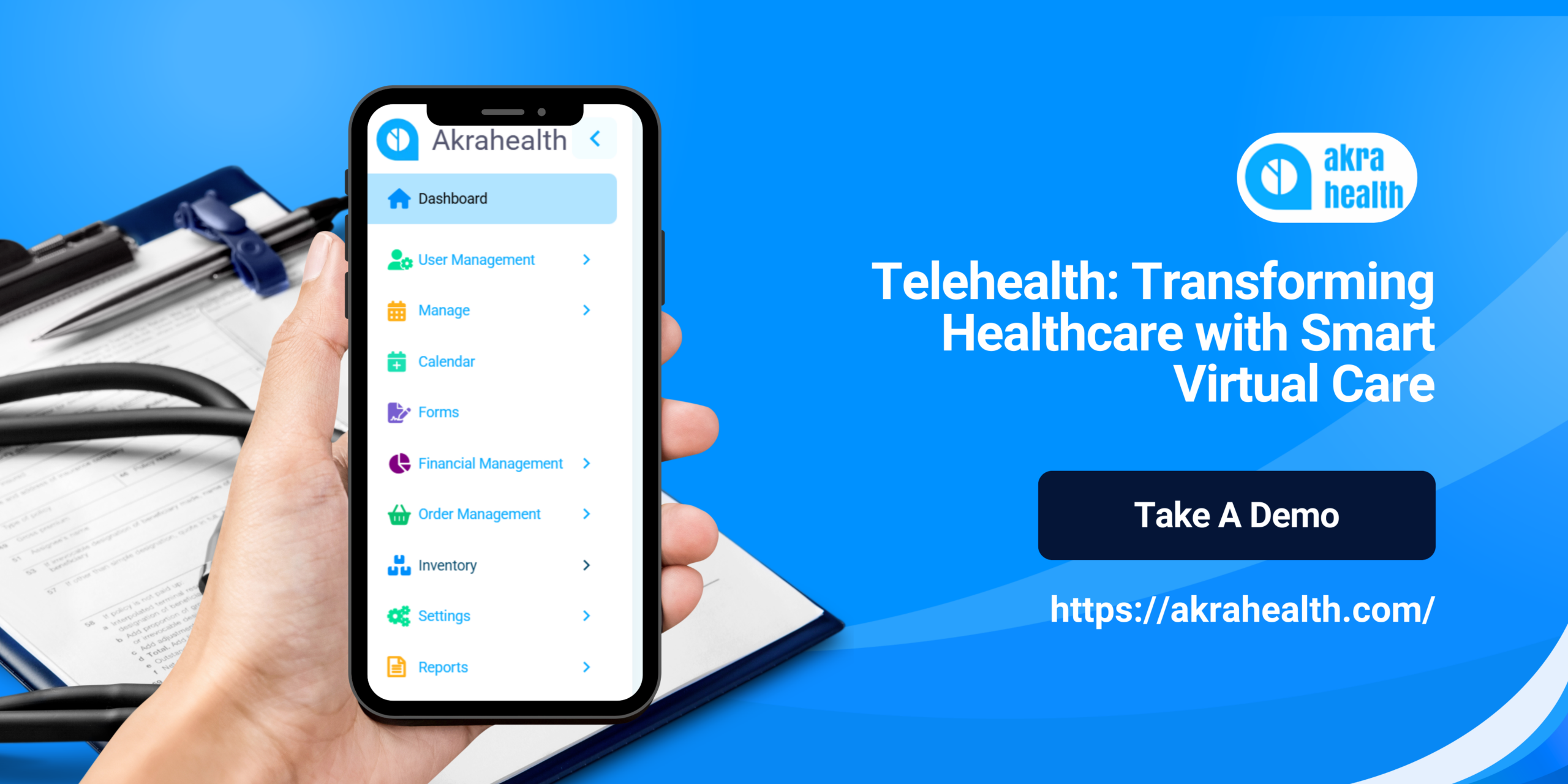
Introduction
Telehealth is transforming how healthcare providers and patients interact in the digital age. By enabling remote consultations, digital patient monitoring, and online health management, virtual care allows medical services to reach patients regardless of location. With the rise of digital health technologies, hospitals and clinics are now using telemedicine platforms to improve accessibility, efficiency, and patient satisfaction.
As healthcare continues to adopt technology-driven solutions, telemedicine is becoming a critical component of modern patient care systems.
Understanding Virtual Healthcare Services
Virtual healthcare services use digital communication technologies such as video calls, mobile applications, and cloud platforms to deliver medical services remotely. These systems allow healthcare providers to manage appointments, share medical records, and conduct consultations online.
Through e-health, patients can connect with doctors from home, eliminating the need for unnecessary hospital visits while still receiving professional medical guidance.
Healthcare providers are increasingly integrating these digital services with electronic medical record systems to ensure seamless patient data management.
Benefits of Telehealth for Patients and Providers
1. Improved Healthcare Access
One of the biggest advantages of remote healthcare is improved accessibility. Patients living in rural or remote areas can consult doctors without traveling long distances.
2. Convenient Doctor Consultations
Online consultations make healthcare more convenient. With telemedicine, patients can schedule virtual appointments and receive treatment advice quickly.
3. Reduced Healthcare Costs
Remote consultations reduce travel expenses and hospital administrative costs. Many clinics are adopting virtual care to streamline operations and improve efficiency.
4. Better Patient Engagement
Patients become more involved in their healthcare when digital tools allow them to access medical records, appointment schedules, and treatment plans easily.
Technologies Powering Modern Healthcare Platforms
Several technologies support modern digital healthcare platforms and enable digital care services to operate effectively.
Video Consultation Platforms
Video conferencing tools allow doctors and patients to communicate face-to-face virtually, ensuring clear discussions and medical guidance.
Remote Patient Monitoring
Wearable devices and digital health sensors collect patient health data such as heart rate, blood pressure, and glucose levels. These tools allow healthcare providers to track patient conditions remotely through remote care systems.
Mobile Health Applications
Healthcare mobile apps enable patients to book appointments, access health records, and receive medication reminders.
Challenges in Remote Healthcare Systems
Although telemedicine offers many advantages, healthcare organizations may face several challenges during implementation.
Technology Access
Not all patients have access to smartphones, computers, or stable internet connections required for virtual healthcare services.
Data Security and Privacy
Healthcare providers must ensure strong cybersecurity practices to protect patient information when using virtual care platforms.
Regulatory Considerations
Different countries and regions have varying healthcare regulations that may impact the adoption of digital care solutions.
The Growing Role of Telehealth in Healthcare Innovation
Healthcare systems worldwide are rapidly adopting telemedicine as part of digital transformation strategies. Hospitals are integrating remote consultations with electronic health records, appointment scheduling tools, and AI-driven healthcare platforms.
The growing demand for digital healthcare services indicates that remote healthcare will continue to expand in the coming years, helping healthcare providers deliver better patient care while reducing operational inefficiencies.
Conclusion
Healthcare delivery is evolving rapidly with the integration of digital technologies. Telehealth plays a key role in this transformation by improving access to care, increasing convenience, and enhancing communication between patients and healthcare providers.
As hospitals, clinics, and healthcare startups continue to adopt digital tools, telemedicine will remain a vital component of modern healthcare systems. By combining remote consultations with patient data management and healthcare applications, the future of healthcare will become more accessible, efficient, and patient-centered.
1 thought on “Telehealth: The Future of Remote Healthcare”