
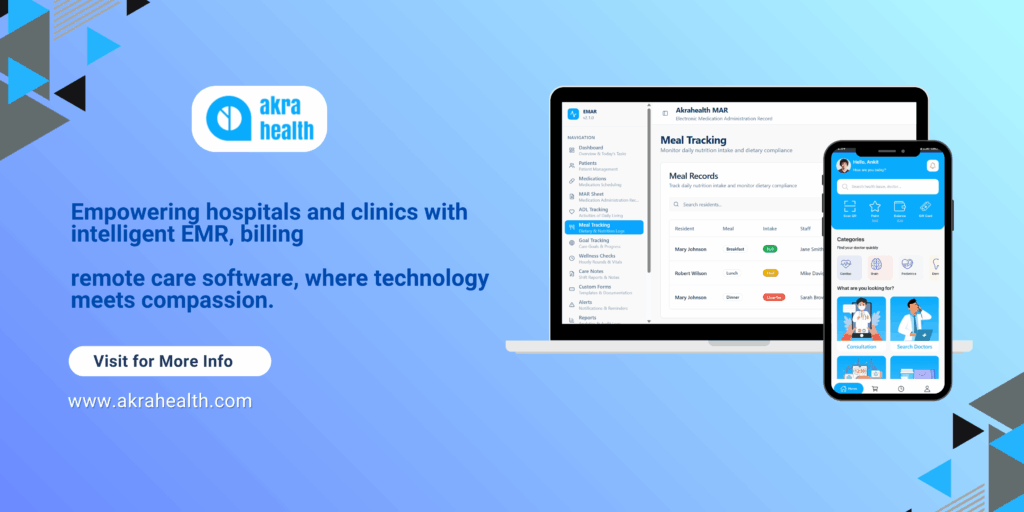
Redefining Healthcare Solution Through Innovation
In today’s fast-moving digital world, technology is not just supporting healthcare — it’s redefining it. From remote healthcare consultations to medical billing software and EMR systems in healthcare, the rise of smart, data-driven healthcare solutions has made patient care faster, more efficient, and far more personalized.
Whether you’re a hospital, clinic, or independent healthcare professional, adopting healthcare software means embracing a future where administrative tasks are automated, diagnoses are smarter, and patients get the care they deserve — anytime, anywhere.
This article explores how healthcare solutions and healthcare IT innovations are reshaping the medical landscape, bridging gaps between technology and compassion.
What Are Healthcare Solutions?
Healthcare solutions refer to digital tools, platforms, and systems that simplify how medical organizations operate, communicate, and deliver care. These solutions include medical EMR systems, healthcare scheduling software, billing management platforms, and even virtual healthcare apps.
By digitizing and automating operations, healthcare software development helps professionals focus more on care delivery and less on administrative burdens.
Examples of healthcare solutions include:
- Electronic Medical Record (EMR) Systems – Securely store patient data and streamline clinical workflows.
- Healthcare Scheduling Software – Simplifies appointment management and reduces patient no-shows.
- Medical Billing Software – Automates invoicing, payments, and claim tracking.
- Remote Healthcare Platforms – Enable virtual consultations and continuous patient engagement.
Together, these technologies are building the foundation of the digital health ecosystem — one that integrates care, convenience, and connectivity.
The Shift Toward Remote Healthcare
Remote healthcare, also called telemedicine or virtual healthcare, has emerged as one of the most important innovations in modern medicine. It bridges the physical gap between patients and providers, enabling access to healthcare even in the most remote locations.
Through telemedicine apps and virtual health care platforms, patients can:
- Consult doctors from home
- Receive follow-ups and prescriptions digitally
- Access test results in real-time through EMR integration
These tools have proven essential for chronic care management, behavioral therapy, and elderly care — areas that often require regular follow-up but are limited by physical accessibility.
As healthcare technology companies continue to innovate, remote healthcare is becoming a standard part of every clinic’s operational model.
Electronic Medical Record (EMR) Systems in Healthcare
At the heart of every digital healthcare solution is the Electronic Medical Record (EMR) system — the digital version of a patient’s chart.
A strong medical EMR software system doesn’t just store patient data; it enables collaboration between doctors, nurses, and specialists. With AI-driven analytics, EMRs are evolving into intelligent tools that can:
- Flag abnormal patterns in test results
- Suggest personalized treatment plans
- Prevent medication conflicts
- Enable data-driven clinical decisions
Whether for general practitioners or specialists in behavioral health, Behavioral Health Electronic Health Records (EHR) systems ensure mental health professionals can maintain secure, accurate, and organized patient information.
This integration of EMR systems in healthcare ensures accuracy, security, and faster treatment decisions — resulting in improved patient outcomes.
The Role of Medical Billing Software in Healthcare
Billing errors and delayed insurance reimbursements have long been pain points for healthcare providers. This is where medical billing software steps in.
Automated billing systems simplify every step of the revenue cycle, from generating invoices to managing claims and tracking payments. These systems integrate with EMR and EHR platforms to ensure patient data remains consistent throughout the financial process.
Hospitals that adopt healthcare RCM (Revenue Cycle Management) tools experience:
- Reduced billing errors
- Faster payments
- Better compliance with insurance regulations
- Greater financial transparency
In fact, integrity healthcare solutions that include billing and RCM modules are now considered a must-have for modern healthcare organizations.
Healthcare Scheduling Software: Streamlining Appointments
Patient scheduling can be one of the most time-consuming tasks in any clinic. Manual booking often leads to overlapping appointments, no-shows, or long waiting times.
Healthcare scheduling software automates this process — allowing patients to book, reschedule, or cancel appointments through web or mobile platforms.
Key benefits include:
- Automatic appointment reminders
- Integration with EMR for seamless record updates
- Optimized scheduling to reduce downtime
- Improved patient satisfaction
When linked with doctor appointment applications, these systems create a smooth, end-to-end experience for both patients and staff.
AI and Automation in Healthcare Software
Artificial Intelligence (AI) has become the driving force behind next-generation healthcare IT solutions. When integrated with EMRs and billing systems, AI can handle tasks like documentation, predictive analytics, and even fraud detection.
Here’s how AI transforms the medical landscape:
- Predictive Diagnostics: AI algorithms analyze patient data to forecast health risks.
- Smart Documentation: Converts voice consultations into structured digital notes.
- Automation: Streamlines billing, claims, and appointment management.
- Patient Engagement: Sends automated reminders and wellness tips.
Incorporating AI into healthcare software not only improves efficiency but also ensures a more proactive approach to patient care.
Software Development in Healthcare: Building Smart Systems
Developing software for healthcare isn’t just about coding; it’s about understanding medical workflows, compliance needs, and data security.
A good healthcare technology company focuses on:
- Compliance with healthcare data regulations (HIPAA, GDPR, etc.)
- Secure cloud-based data storage
- Integration with existing systems
- Custom solutions for hospitals, clinics, and labs
As the demand for healthcare IT solutions grows, software developers are leveraging cloud technology, machine learning, and blockchain to enhance transparency and security across the medical ecosystem.
Why Every Facility Needs Healthcare Solutions
Hospitals and clinics that adopt modern healthcare solutions gain a strategic advantage — both operationally and clinically.
Here’s why:
- Improved Efficiency: Tasks like billing, scheduling, and documentation are automated.
- Better Patient Care: Doctors have instant access to accurate, real-time data.
- Cost-Effectiveness: Reduces manual errors and administrative overhead.
- Scalability: Software grows as your healthcare facility expands.
- Data Security: Cloud-based encryption protects patient information.
From medical billing software to EMR systems, the goal is simple — to deliver smarter, safer, and more connected healthcare.
The Future of Digital and Remote Healthcare
The next frontier in healthcare will focus on integration and intelligence.
Healthcare systems are moving toward platforms that bring together:
This interconnected digital network will allow healthcare providers to manage the full patient journey — from scheduling to diagnosis, treatment, and billing — all in one place.
With the rise of virtual health care and remote healthcare platforms, the boundary between physical and digital healthcare is fading. Soon, every clinic, no matter how small, will have a digital footprint powered by intelligent software.
Conclusion: Smarter Solutions for a Healthier Future
Adopting healthcare solutions isn’t just about technology — it’s about transforming the way we deliver care. Whether through medical EMR systems, healthcare RCM software, or remote healthcare tools, the focus is shifting toward efficiency, accessibility, and personalization.
The combination of AI, automation, and data-driven systems ensures that healthcare providers can make better decisions, faster.
The future of healthcare is digital, intelligent, and deeply connected — and it’s already here.
1 thought on “Healthcare Solutions: Transforming the Future of Medical Care”